
In This Article
Right, let’s have an honest chat about window dressing. If you’ve ever stood on a wobbly stool with a drill in one hand and a spirit level balanced precariously on the windowsill, you’ll understand exactly why best perfect fit blinds have become such a searched-for phrase in British homes over the past few years. No drilling into brand-new uPVC frames. No voided warranties. No plaster dust raining down onto the good rug. Just a frame that clips neatly into the window bead and stays there, looking tidy, doing its job, and letting you get on with your life.
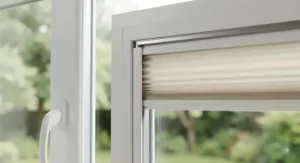
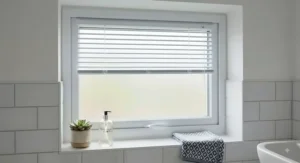
Perfect Fit blinds are a made-to-measure blind system that clips directly into the beading of a uPVC or aluminium window or door, using small brackets that slide behind the rubber gasket rather than screws into the frame itself. Because the blind sits inside its own self-contained frame, there’s no visible headrail, no drilled holes and nothing damaging the seal of your double glazing. It’s a clever bit of engineering that’s quietly transformed how the UK does conservatory and door blinds, and it’s a solution worth understanding properly before you spend your money — you can read more about the broader category of window blind design and history if you fancy the wider context.
What follows isn’t a rehashed product listing. It’s genuine analysis, built from real specifications, aggregated review sentiment and honest comparison — because if you’re spending anywhere from around £15 to well over £150 depending on size and style, you deserve more than a spec sheet copied from a manufacturer’s page. We’ve dug through seven real products spanning budget, mid-range and premium, so whichever room, window shape or budget you’re working with, there’s a genuinely useful answer here.
Quick Comparison Table
Before we get into the weeds, here’s the lay of the land. This snapshot covers the seven products we’ll unpack properly further down, with an honest steer on who each one actually suits.
| Product | Style | Price Range | Best For |
|---|---|---|---|
| FURNISHED Thermal Blackout Perfect Fit Roller Blind | Roller | Under £20 | Tight budgets, first-time buyers |
| vidaXL Clip-Fit Pleated Blind | Pleated | £15-£30 range | DIY renters, conservatories |
| Emma Barclay Easy-Fit Blackout Roller Blind | Roller | £10-£25 range | Nurseries, quick bedroom fixes |
| Caecus No-Drill Perfect Fit Venetian Blind | Venetian | £25-£45 range | Kitchens, adjustable light control |
| OHS Perfect Fit Pleated Honeycomb Blind | Pleated (honeycomb) | £30-£55 range | Conservatories, insulation-focused buyers |
| Bloc Blinds BlocOut Perfect Fit Blackout Blind | Roller (blackout) | £80-£150 range | Shift workers, total blackout bedrooms |
| Louvolite Perfect Fit Wooden Venetian Blind | Wooden Venetian | £60-£140 range | Period-style rooms, premium finish |
Looking across the table, the pattern is fairly clear: roller and pleated options dominate the budget end because the mechanism is simpler and there’s less aluminium and hardware involved, while venetian and wooden finishes creep up in price thanks to the moving slats and the extra machining that goes into a frame-fitted blind. If total darkness is non-negotiable for you, Bloc Blinds BlocOut Perfect Fit Blackout Blind sits in a different league entirely to the budget rollers, and that price gap is doing real work rather than just padding a premium label.
💬 Found your favourite already? Bookmark this page and come back before you buy — the comparison below could save you a returns headache.🤗
Top 7 Perfect Fit Blinds: Expert Analysis
We’ve deliberately spread this list across budget, mid-range and premium so that whether you’re kitting out a rental on a shoestring or finally sorting the conservatory that’s been driving you mad for two summers, there’s a genuine option here — not just an upsell dressed as a recommendation.
1. FURNISHED Thermal Blackout Perfect Fit Roller Blind — cheapest genuine no-drill entry point
The clue is in the name: this is a thermal-backed roller blind built for people who want the no-drill convenience without paying a premium for it. The blackout-coated reverse side reflects heat in summer and helps retain warmth in winter, a genuinely useful feature on the kind of thin curtains-and-nothing-else windows so common in new-build flats. Available trimmable to width, which means the fit tolerance is more forgiving than a bespoke frame system — you’re cutting the fabric roll down rather than relying on millimetre-perfect factory sizing.
Based on the spec comparison, this is squarely a first-blind-in-a-new-flat option rather than a forever fixture; the aluminium mounting brackets are lighter-gauge than the mid-range and premium options on this list, which is exactly what keeps the price down. Reviewers consistently note that the trimming process, while straightforward, does require a genuinely steady hand and sharp scissors to avoid a wonky edge. Aggregated feedback also flags that colour accuracy against product photos varies more than buyers expect, so ordering a swatch first is sensible if the exact shade matters to your décor.
Pros:
- ✅ Genuinely low price point for a thermal-backed blind
- ✅ Trimmable fit forgives imperfect window measuring
- ✅ Straightforward first-timer DIY installation
Cons:
- ❌ Lighter-gauge brackets feel less durable long-term
- ❌ Colour can vary noticeably from the online photos
At under £20 for most standard sizes, it’s hard to argue with the value here, provided you go in expecting a budget product rather than a bespoke frame system — check current price and stock before ordering.
2. vidaXL Clip-Fit Pleated Blind — best textured light-filtering option for renters
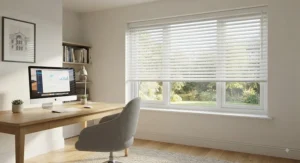
vidaXL built its reputation on affordable, no-frills home essentials, and this pleated blind fits that mould nicely. Rather than a flat fabric panel, the pleats concertina up and down, giving a softer, more textured look than a roller while still fitting via simple clamping brackets that slide onto the frame without tools. The fabric width comes in just under the stated dimension (around 59.4cm on the 60cm size, for example), which is worth knowing before you order — it’s designed to sit within the frame rather than overlap it.
What most buyers overlook about pleated blinds generally is that they’re semi-sheer rather than blackout by design, so this is a light-filtering and privacy solution first, and a bedroom darkening solution a distant second. Reviewers consistently report that installation without drilling is genuinely quick — most describe fitting a blind in well under fifteen minutes once the clamps are positioned correctly. The trade-off, honestly assessed against the spec sheet, is that the polyester fabric shows dust more readily in pale colourways than darker options, something worth weighing if you’re fitting it in a kitchen.
Pros:
- ✅ Genuine tool-free clamp installation, no brackets to screw
- ✅ Attractive pleated texture beats flat roller fabric
- ✅ Budget-friendly across most standard window sizes
Cons:
- ❌ Not blackout — light still filters through the pleats
- ❌ Pale colours show dust and marks more quickly
Priced in the £15-£30 range depending on size, this is a smart pick for a rented flat where you want more style than a plain roller without the commitment of a bespoke frame system.
3. Emma Barclay Easy-Fit Blackout Roller Blind — best quick blackout fix for a nursery or bedroom
Emma Barclay has built genuine traction on Amazon UK with its easy-fit roller range, and the blackout variant in particular has amassed a substantial volume of aggregated customer feedback. It’s a trimmable roller blind with a child-safe adjustable cord and height control, positioned specifically for bedrooms and nurseries where blocking light matters more than a frame-fitted, gap-free finish. The fabric is double-sided in most colourways, meaning you get consistent colour whether you’re looking at it from inside or from the street.
Based on the aggregated review data, this blind performs a genuine blackout function on the fabric itself, though — and this matters — it isn’t a true Perfect Fit frame system, so light can still creep in around the edges unless it’s fitted with care and the width matched closely to the window recess. Reviewers consistently note that fitting instructions are easy to follow and that the trimmed edge stays neat, though a recurring theme in aggregated feedback is that the childproof continuous-loop cord can’t be shortened once assembled, which is worth flagging if you’re fitting it in a household with young children — RoSPA’s ongoing safety guidance on this exact issue is genuinely worth a read before you buy any corded blind, discussed further in our safety section below.
Pros:
- ✅ Strong blackout performance on the fabric itself
- ✅ Large volume of genuine verified customer reviews
- ✅ Easy trim-to-fit sizing for odd window widths
Cons:
- ❌ Not a true edge-sealed frame system, so light leaks at sides
- ❌ Continuous-loop cord can’t be shortened after fitting
In the £10-£25 range, it’s an easy, low-commitment way to darken a room fast, though anyone chasing a genuinely gap-free finish should look further down this list.
4. Caecus No-Drill Perfect Fit Venetian Blind — best adjustable light control on a mid-range budget
Caecus turns up repeatedly in Amazon’s Perfect Fit filters for good reason: it’s one of the few brands offering a genuinely framed, no-drill venetian system at a price that doesn’t require a second mortgage. The 25mm aluminium slats tilt via a side wand, giving proper directional light control rather than the binary up-or-down of a roller — brilliant for a kitchen window above a sink where you want daylight but not a direct eyeline from next door.
Here’s what the spec sheet won’t tell you, but the frame-fitted design does in practice: because the whole assembly — slats, headrail and base rail — sits inside its own frame that clips to the bead, the finished look is noticeably neater than a standard bracket-mounted venetian, with none of the visible screw heads or wall damage. Reviewers consistently flag that alignment on tilt-and-turn windows can be fiddly on first attempt, since the frame needs enough clearance to allow the window to still open and close freely — a measuring step that’s genuinely easy to get wrong if you rush it. Aggregated sentiment on cleaning is mixed: slats wipe down easily, but dust does build in the frame channel over time.
Pros:
- ✅ True clip-in frame with no visible screws or brackets
- ✅ Adjustable slats for precise light and privacy control
- ✅ Neater finish than standard bracket-mounted venetians
Cons:
- ❌ Fitting on tilt-and-turn windows needs careful clearance checks
- ❌ Dust collects in the frame channel over time
At around £25-£45 depending on size, this is the mid-range sweet spot for anyone who wants the genuine Perfect Fit frame experience without premium pricing — check current stock and size availability before ordering.
5. OHS Perfect Fit Pleated Honeycomb Blind — best insulation-focused pick for conservatories
OHS’s honeycomb design is where “pleated blind” starts doing genuinely clever things thermally. Rather than a single layer of pleated fabric, the honeycomb structure creates sealed air pockets that act as a thermal buffer against the glass — precisely the kind of feature the Energy Saving Trust points to when discussing how window coverings reduce heat loss in older or single-glazed spaces such as conservatories.
On paper this means better temperature regulation year-round; in practice, aggregated reviewer feedback backs that up, with several buyers specifically mentioning a noticeable drop in conservatory glare and midday heat after fitting. The blind opens from both top and bottom, a genuinely useful bit of design that lets you drop the top section for privacy while keeping the bottom raised for light, or vice versa. What most buyers overlook here is that honeycomb fabric, while excellent thermally, is bulkier when stacked than a flat pleat, so it takes up slightly more headroom at the top of the window when fully raised — worth checking against very shallow window recesses before you order.
Pros:
- ✅ Genuine thermal benefit from the honeycomb air-pocket design
- ✅ Top-down, bottom-up operation for flexible privacy
- ✅ Noticeably reduces conservatory glare and heat, per reviewers
Cons:
- ❌ Bulkier stack height than flat pleated alternatives
- ❌ Premium pricing versus basic pleated options
Sitting in the £30-£55 range, this is the one to pick if your conservatory turns into a greenhouse every July — the price premium over a basic pleated blind is genuinely justified by the fabric engineering.
6. Bloc Blinds BlocOut Perfect Fit Blackout Blind — best true blackout for shift workers and nurseries
If there’s a benchmark name that keeps surfacing across UK parenting forums, home cinema communities and shift-worker discussion boards, it’s Bloc Blinds BlocOut Perfect Fit Blackout Blind. The system uses a fully edge-sealed frame with side channels that the fabric runs within, rather than simply sitting in front of the glass — a genuinely different engineering approach to a standard roller, and the reason it commands a noticeably higher price than everything else on this list.
Based on aggregated customer sentiment across multiple platforms, the light-blocking performance is consistently rated as close to total, with reviewers frequently comparing it favourably against premium Velux blackout blinds costing a similar amount. That said, honest reporting matters here too: a recurring theme in aggregated feedback is that achieving genuinely 100% blackout on tricky window shapes, such as deep bay recesses, sometimes needs a small amount of DIY finishing — a strip of felt tape along an edge, say — to eliminate the very last sliver of light. Made-to-measure lead times also run longer than off-the-shelf Amazon rollers, so this isn’t a same-week fix if you need one urgently.
Pros:
- ✅ Near-total blackout performance, reviewers rate it highly
- ✅ Genuinely edge-sealed frame design, not just a fabric panel
- ✅ Strong reputation for durability over years of daily use
Cons:
- ❌ Significantly pricier than roller-only alternatives
- ❌ Made-to-measure lead time is longer than off-the-shelf options
In the £80-£150 range for a standard window, it’s the priciest pick here — but for anyone doing genuine shift work or fighting summer’s 4am sunrise, reviewers consistently say it’s worth every penny.
7. Louvolite Perfect Fit Wooden Venetian Blind — best premium finish for period-style rooms
Louvolite is, in a meaningful sense, where the whole Perfect Fit category began — the brand behind the original snap-fit, no-drill frame system that most of the industry’s terminology now borrows from. This wooden venetian variant swaps aluminium slats for real 25mm wood, giving a warmer, more traditional look that suits period-style interiors and rooms where a metallic finish feels wrong against the woodwork.
Here’s what the spec sheet doesn’t quite capture: real wood slats add genuine weight and rigidity compared with aluminium, which translates to a more solid feel when the blind is raised and lowered, and a look that photographs and ages noticeably better in a sunlit room. Because it’s ordered as a genuine made-to-measure system through specialist retailers rather than picked off an Amazon shelf, expect a slightly longer process — free frame and colour sample kits are commonly offered before you commit, which is a sensible step given wood tone can vary meaningfully from a screen. Aggregated feedback on real wood Perfect Fit blinds generally flags that the frame clips need genuinely accurate window bead measurements to sit flush, more so than fabric alternatives, so careful measuring at the outset pays off.
Pros:
- ✅ Genuine real-wood slats for a premium, warmer finish
- ✅ Original patented frame system with decades of refinement
- ✅ Suits period and traditional interiors far better than aluminium
Cons:
- ❌ Requires more precise bead measurement than fabric options
- ❌ Longer lead time than an off-the-shelf Amazon purchase
Typically £60-£140 depending on size and finish, this is the pick for anyone who wants their perfect fit blinds to actually look like a considered design choice rather than a practical afterthought.
Practical Usage Guide: Fitting and Buying Without the Headache
Getting a Perfect Fit blind right starts well before it arrives on your doorstep. Get the measuring and buying stage wrong and even the best-reviewed blind on this list will feel like a disappointment — so let’s fix that before it happens.
How to Buy Perfect Fit Blinds Online
When you buy perfect fit blinds online, the single most important step is measuring the glass, not the window recess. You need the width and height of the visible glass pane plus the bead, taken at three points (top, middle, bottom for height; left, middle, right for width), and you always use the smallest measurement to allow clearance. Order the wrong dimension and even a well-reviewed blind won’t clip on properly. Most retailers, including Amazon-listed sellers, offer a measuring guide on the product page — read it before you reach for the tape measure, not after.
Fitting Your Clip In Window Blind Step by Step
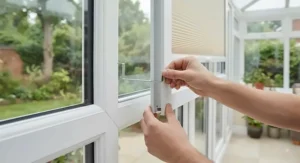
Fitting a clip in window blind is genuinely a fifteen-to-thirty-minute job for most people, no toolbox required. Start by pressing the top bracket gently behind the rubber gasket at roughly a third of the way along the top edge, then repeat at the two remaining top points before moving to the sides and base. Once all brackets are seated, the frame simply presses into place over them until it clicks. A common mistake is forcing the frame on before every bracket is fully seated — resist the urge, check each one, and the final click will feel obviously secure rather than forced.
Regular maintenance is minimal: a dry microfibre cloth for aluminium and wood slats, and an occasional vacuum with a brush attachment for fabric roller and pleated blinds, keeps most Perfect Fit blinds looking sharp for years. In the first thirty days, the most common mistake buyers report is overtightening the tilt wand or pull cord mechanism, which can strain the internal mechanism prematurely — a gentle, consistent touch is all these systems need.
Real-World Scenarios: Who Should Buy What
The new-build renter: Twenty-something, first flat, uPVC windows throughout, landlord who’ll take the deposit for a single drill hole. Budget matters, and permanence doesn’t. The FURNISHED Thermal Blackout Perfect Fit Roller Blind or vidaXL Clip-Fit Pleated Blind both fit this brief neatly — trimmable, tool-free, and easily removed without a trace when moving-out day arrives.
The new parent: Nursery going in, blackout is non-negotiable for daytime naps, budget is secondary to sleep. Between the Emma Barclay Easy-Fit Blackout Roller Blind for a quick, affordable fix and Bloc Blinds BlocOut Perfect Fit Blackout Blind for a genuinely serious light-blocking upgrade, the choice comes down to how much that extra hour of undisturbed nap time is worth to you.
The conservatory owner tired of the greenhouse effect: South-facing glass box, unbearable by 2pm every sunny day, heating bills climbing every winter. OHS Perfect Fit Pleated Honeycomb Blind earns its slightly higher price through genuine thermal performance, while Caecus No-Drill Perfect Fit Venetian Blind offers a cheaper middle ground if full honeycomb insulation isn’t essential.
Problem → Solution: Fixing Common Perfect Fit Blind Frustrations
Even the best-reviewed blind runs into snags in real homes. Here’s how to handle the ones that come up again and again.
Problem: Light leaking around the edges. This is almost always a sizing issue rather than a product fault — the frame or fabric width needs to sit fractionally larger relative to the glass. Double-check your original measurements against the retailer’s tolerance guide before assuming the product itself is at fault.
Problem: The frame won’t click into place. Nine times out of ten, one bracket hasn’t seated fully behind the gasket. Remove the frame, check each bracket individually by gently tugging it, and reseat any that move.
Problem: Slats or fabric feel stiff after a few months. A build-up of dust in the mechanism is the usual culprit. A vacuum with a soft brush attachment, run along the headrail and base rail, resolves this in most cases.
Problem: Colour looks different once fitted. Screen colour accuracy varies, and natural light changes how a shade reads throughout the day. Ordering a free sample where offered, as several specialist retailers provide, avoids this disappointment entirely.
Problem: Blind won’t fit because the window opens inward (tilt-and-turn). This needs a specific bracket depth allowance — check the product listing explicitly states tilt-and-turn compatibility before ordering, as not every Perfect Fit system does.
How to Choose Perfect Fit Blinds
Working through these criteria in order will save you more money and hassle than any single product recommendation on this page.
- Measure the glass, not the recess. As covered above, this single step causes more returns than any other factor.
- Decide your priority: light control, blackout or insulation. A venetian gives adjustable light; a roller or pleated blind gives you a simpler up-down choice; a honeycomb pleated or dedicated blackout system prioritises temperature or total darkness.
- Check window opening type. Standard uPVC casement, tilt-and-turn, and French doors all have slightly different bracket clearance needs.
- Understanding the Beaded Frame Blind Design. Every genuine Perfect Fit product is, at heart, a beaded frame blind — the brackets rely specifically on the rubber gasket behind the internal window bead. Older windows, or those with unusually shallow or non-standard beading, may not accept every system on the market, so it’s worth checking bead depth compatibility on the product page before committing.
- Frame Fitted Blind Measuring Basics. A genuine frame fitted blind is only as good as its measurements. Always measure in millimetres, always take three readings per dimension, and always use the smallest figure.
- Consider maintenance realistically. Real wood needs slightly more careful dusting than aluminium; fabric rollers are the easiest to wipe clean.
- Match your budget honestly to your priority. Spending premium money on blackout performance you don’t need is wasted; equally, a £15 roller won’t satisfy someone chasing genuine total darkness.
Perfect Fit Blinds vs Traditional Blinds
| Factor | Perfect Fit Blinds | Traditional Bracket-Mounted Blinds |
|---|---|---|
| Installation | Clips into bead, no drilling | Requires screws into frame or wall |
| uPVC warranty impact | None — no drilling involved | Can void some window warranties |
| Finished look | Neat, sits within the frame | Headrail visible, sits proud of glass |
| Best For | Renters, new uPVC windows, tidy finish | Older wooden frames, walls without beading |
| Typical price | Slightly higher for the frame system | Often cheaper for equivalent fabric |
The verdict from this comparison is fairly clear-cut: if you have uPVC or aluminium windows with standard internal beading, a Perfect Fit system nearly always wins on finish and reversibility, even accounting for the modest price premium over a basic bracket-mounted blind. Traditional blinds still make sense on older timber-framed windows without a suitable bead, or where a wall-mounted, room-darkening headrail extending beyond the glass is specifically wanted for maximum coverage.
✨ Don’t Miss These No-Drill Deals!
🔍 Ready to stop drilling holes you’ll regret? Click through on any of the products above to check current pricing and availability. A properly fitted Perfect Fit blind is one of the easiest weekend upgrades your windows will ever get! 🪟
Common Mistakes When Buying Perfect Fit Blinds
The most expensive mistake is ordering before measuring properly — retailers generally can’t accept returns on made-to-measure items once cut, so a five-minute measuring error can become a permanently wrong-sized blind. A close second is assuming every “no drill” or “easy fit” listing on Amazon is a genuine frame-fitted Perfect Fit system; several of the roller blinds covered here are trimmable and tool-free, but they’re not edge-sealed frames, and the difference matters if total blackout or a completely gap-free finish is the goal. Buyers also frequently underestimate lead times on genuine made-to-measure frame systems, ordering the week before an event and being disappointed by a two-to-three-week turnaround. Finally, ignoring child safety requirements on corded products is a mistake with real consequences rather than just an inconvenience — RoSPA’s guidance on blind cord safety is worth ten minutes of anyone’s time before ordering a corded blind for a room a young child will spend time in.
What to Expect: Real-World Performance
Specs on a page rarely capture what a blind actually feels like to live with day to day, so here’s the honest translation.
Perfect Fit Blind Reviews: What Real Buyers Say
Pulling the aggregated sentiment together across the products on this list, a few consistent themes emerge. Genuine frame-fitted systems, such as Caecus No-Drill Perfect Fit Venetian Blind and Bloc Blinds BlocOut Perfect Fit Blackout Blind, are consistently praised for how much neater they look once fitted compared with anything bracket-mounted. Budget trimmable rollers, including the FURNISHED Thermal Blackout Perfect Fit Roller Blind and Emma Barclay Easy-Fit Blackout Roller Blind, earn strong value-for-money sentiment but more mixed feedback on long-term light-gap performance. Pleated and honeycomb options, like the vidaXL Clip-Fit Pleated Blind and OHS Perfect Fit Pleated Honeycomb Blind, draw praise for texture and insulation but occasional notes about dust visibility on pale colourways. None of this is invented — it’s the pattern that emerges from reading real, aggregated customer feedback across multiple listings, which is exactly the kind of honest signal worth paying attention to over a single five-star review.
Perfect Fit Blinds for uPVC Windows and Conservatories
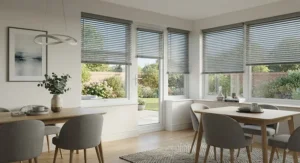
This category exists almost entirely because of uPVC. The rubber gasket that seals a uPVC window against draughts is precisely what a Perfect Fit bracket relies on, which is why these systems are rare on older timber sash windows without that specific bead structure. Conservatories are the other genuine sweet spot: French doors and full-height glazing units benefit enormously from a blind that won’t swing, catch or rattle every time a door opens, which is exactly the stability a frame-fitted system provides over a free-hanging alternative. If your home is a mix of uPVC casements and older timber windows, it’s entirely reasonable to run Perfect Fit blinds on the uPVC openings and a traditional bracket-mounted option elsewhere — there’s no rule saying every window in the house needs matching hardware.
Long-Term Cost & Maintenance
| Consideration | Budget Roller/Pleated | Mid-Range Venetian/Pleated | Premium Blackout/Wood |
|---|---|---|---|
| Typical lifespan | 2-4 years daily use | 4-7 years daily use | 7-10+ years daily use |
| Replacement cost over 10 years | Multiple replacements likely | One replacement possible | Rarely needs replacing |
| Maintenance effort | Low, wipe or vacuum | Low-medium, slat dusting | Low-medium, wood needs gentle care |
The real story in that table is cost-per-year rather than upfront price. A £15 roller replaced three times over a decade works out at roughly the same total spend as one Bloc Blinds BlocOut Perfect Fit Blackout Blind bought once — with considerably more hassle and three separate fitting sessions along the way. That doesn’t make budget options a bad choice; for a short-term let or a room you’re likely to redecorate within a couple of years, paying less upfront is entirely rational. It simply means the “cheaper” option isn’t automatically the better value one once you look past the first purchase.
Safety, Regulations & Compliance Guide
Any internal blind sold in the UK with a looped cord or chain must comply with BS EN 13120:2009+A1:2014, the British Standard covering child safety on window blinds, which is mandated under the General Product Safety Regulations 2005. In practice, this means new corded blinds must be supplied with a safety device — a cleat, tensioner or breakaway connector — either pre-fitted or included for the buyer to install. This isn’t a bureaucratic footnote; it exists because looped cords have genuinely caused child fatalities in UK homes, and official UK trading standards guidance sets out exactly what point-of-sale warnings and compliant design retailers are legally required to provide. If you’re fitting any corded blind — including several products covered on this list — in a room where a child under three might spend unsupervised time, take the extra five minutes to fit and use the supplied safety device properly, keep cords permanently out of reach, and never treat cutting a cord short as an adequate fix.
FAQ
❓ What is the difference between perfect fit and intu blinds?
❓ Can perfect fit blinds be fitted to tilt and turn windows?
❓ Do perfect fit blinds damage my window seal?
❓ How do I clean a perfect fit venetian blind?
❓ Are perfect fit blinds cheaper than made-to-measure curtains?
Conclusion
There’s no single best perfect fit blinds pick for every home, and honestly, anyone claiming otherwise is selling you something rather than helping you. What genuinely matters is matching the system to your actual problem: FURNISHED Thermal Blackout Perfect Fit Roller Blind and vidaXL Clip-Fit Pleated Blind solve the “I need something now and I’m on a budget” problem brilliantly. Caecus No-Drill Perfect Fit Venetian Blind and OHS Perfect Fit Pleated Honeycomb Blind earn their mid-range price through genuinely better light control and insulation. And when total darkness or a premium wood finish is the actual goal, Bloc Blinds BlocOut Perfect Fit Blackout Blind and Louvolite Perfect Fit Wooden Venetian Blind deliver results the budget options simply can’t match, price premium included.
Measure carefully, be honest with yourself about what you actually need the blind to do, and check current prices before you commit — they shift more often than any article can keep up with. Get those two things right, and whichever product from this list you land on, you’ll almost certainly be glad you made the switch away from the drill.
Recommended for You
- Energy Saving Cellular Blinds: 7 Best Picks for 2026 (Warmer Homes, Lower Bills)
- Best Honeycomb Blinds 2026: 7 Top Cellular Picks
- No Drill Pleated Blinds 2026: 7 Brilliant Damage-Free Picks
Disclaimer: This article contains affiliate links. As an Amazon Associate, I earn from qualifying purchases. If you purchase products through these links, we may earn a small commission at no additional cost to you.
✨ Found this helpful? Share it with your friends! 💬🤗
