
In This Article
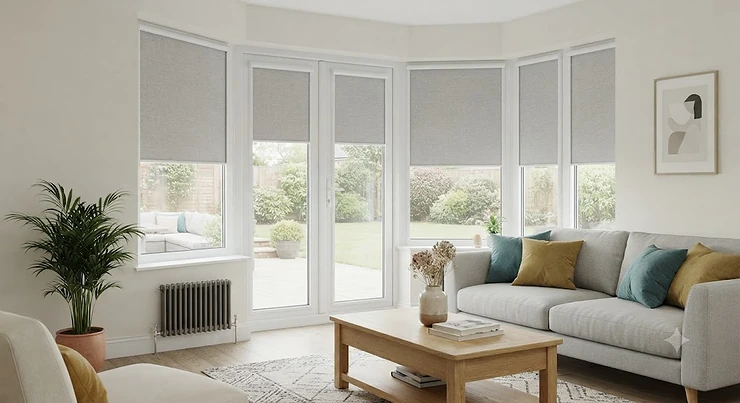
There’s a particular kind of homeowner despair that comes from staring at a beautiful new uPVC window and realising that drilling into it will void the warranty. It happened to a friend of mine last winter — she’d just had her whole ground floor re-glazed, then discovered the installer’s small print about “no fixings into the frame.” That’s the exact problem perfect fit blinds for upvc windows were built to solve: a blind system that clips into the window’s own bead and glazing gasket instead of the wall or frame, so nothing gets drilled, screwed, or invalidated.
What is perfect fit blinds for upvc windows? In short, it’s a blind housed in its own slim frame or clip-fit bracket set that pushes directly onto the rubber gasket around a uPVC window pane, moving with the window as it opens and closes, with zero tools required for installation.
This guide skips the fluff and gets straight into the practical stuff: which real products on the market actually deliver on that promise, what the specs mean for your specific window, where the genuine trade-offs are, and how to avoid the fitting mistakes that trip up first-timers. We’ve pulled together seven real, purchasable options spanning pleated, honeycomb, roller and Venetian styles, at prices from budget to premium, based on their actual specifications and aggregated customer feedback rather than marketing copy. Whether you’re dressing a single kitchen window or an entire conservatory roofline, there’s a genuinely useful match somewhere in this list — and a few honest warnings about where these systems fall short.
Modern uPVC frames are made from unplasticised polyvinyl chloride, a rigid plastic prized for its low maintenance and thermal performance, which is exactly why so many manufacturers now build blinds specifically to clip onto its glazing bead design rather than the surrounding wall.
Quick Comparison Table
| Product | Style | Fitting Method | Best For |
|---|---|---|---|
| Concept Crystal Pleated Blind | Pleated | No-drill clip/adhesive | Small to mid uPVC panes |
| Concept Blinds XXL Pleated Blind | Pleated | No-drill adhesive | Large windows & patio doors |
| Concept Blinds Honeycomb Pleated Blind | Honeycomb (cellular) | Screw/drill fit | Insulation-focused buyers |
| Tropik Home Blackout Roller Blind | Roller | EasyFix clip or drill | Bedrooms, tilt & turn windows |
| Tropik Home Zebra Roller Blind | Day & night roller | EasyFix clip or drill | Flexible light control |
| FURNISHED Faux Wood Venetian Blind | Venetian (faux wood) | Screw fit, trimmable | Living rooms, traditional look |
| FURNISHED PVC Venetian Blind | Venetian (PVC) | Screw fit, trimmable | Kitchens & bathrooms |
Looking across the line-up, the pleated and honeycomb options from Concept Crystal and Concept Blinds are the only true no-drill, frame-clip systems here, which makes them the closest match to what most people picture when they search for perfect fit blinds upvc frames. The Tropik Home rollers offer a genuine EasyFix clip alternative for tilt-and-turn windows specifically, while the two FURNISHED Venetians are trimmable, screw-fit blinds best suited to a window recess or face-fix rather than the bead itself. That distinction matters more than most buying guides admit, so we’ll unpack it properly as we go.
💬 Found a match already? Compare current prices and colour options before you decide — availability shifts fast on made-to-measure lines.😊
Top 7 Perfect Fit Blinds for uPVC Windows: Expert Analysis
Coverage here spans budget adhesive-fit pleated blinds through to insulated honeycomb designs and trimmable Venetians, so there’s a genuine option whether you’re doing one kitchen window or a whole conservatory.
1. Concept Crystal Pleated Blind — widest colour range for no-drill fitting
The standout here is choice: 23 fabric colourways on a single no-drill pleated design, which is unusually generous for this price bracket. Sized from roughly 30-140cm wide and 40-230cm high, it’s built to cover most standard uPVC panes without needing a bespoke order, and the pleats fold flat into a slim stack at the top or bottom of the glass rather than bulking out the frame.
In practice, the fixed-width steps mean you’re rounding up to the nearest available size, so measuring the glass pane (not the whole window) accurately before ordering matters more than with a genuinely bespoke supplier. Based on the specification, this is best suited to buyers who want a quick, tool-free refresh across several similarly sized windows rather than one oddly proportioned pane. Reviewers of the wider Concept Crystal and Concept Blinds range consistently note that the adhesive fittings are straightforward for a first-time DIY job, though a handful mention needing the extra 5mm width allowance the manufacturer recommends to get a truly snug fit.
Pros:
- ✅ 23 colour options on one no-drill design
- ✅ Genuinely tool-free adhesive or clip fitting
- ✅ Covers a wide standard size range out of the box
Cons:
- ❌ Fixed size steps, not fully bespoke
- ❌ Adhesive fixings can lift on poorly cleaned glass
Priced around the £20-£35 range for standard sizes, it’s solid value if you check current pricing at the point of purchase, and a sensible first pick for anyone comparing perfect fit blinds for upvc windows on a budget.
2. Concept Blinds XXL Pleated Blind — best for oversized panes and patio doors
This is the same no-drill pleated concept scaled right up, covering roughly 20-200cm in width and 20-260cm in height, which is enough for most French doors, bay window panes, and tall conservatory glazing. The standout advantage is simply headroom: most rivals top out well below 200cm, leaving owners of larger uPVC doors with nothing that fits.
What the size range doesn’t tell you is that larger pleated fabric spans need slightly more care when opening the window fully, since more material is doing more travel along the same slim rail. Based on the spec sheet, this is the pick for anyone whose actual bottleneck has been finding a no-drill blind long or wide enough, rather than needing the cheapest option on the shelf. Reviewers across the Concept Blinds range frequently mention that the fabric held its pleats well after repeated opening and closing, though a smaller number found the largest sizes required patience to align evenly on the first fit.
Pros:
- ✅ Covers unusually large glazed doors and panes
- ✅ Same tool-free, no-drill fitting as smaller sizes
- ✅ 22 fabric colours across the range
Cons:
- ❌ Larger spans take longer to fit precisely
- ❌ Premium over standard-size pleated blinds
Expect to pay in the £35-£60 range depending on the exact dimensions ordered, with prices climbing for the largest custom sizes.
3. Concept Blinds Honeycomb Pleated Blind — best insulation for uPVC glazing
The honeycomb (cellular) structure is the headline feature: two layers of pleated fabric fused into hollow pockets that trap a layer of still air against the glass. That’s a genuinely different mechanism to a flat pleated or roller blind, and it’s the main reason to pick this over a cheaper flat-pleat alternative if a cold room, or a conservatory that turns into a fridge in January, is the actual problem you’re solving.
This particular line is fitted with drilling rather than adhesive clips, which is a trade-off worth being upfront about: it’s more secure over years of daily use, but it isn’t the tool-free option some buyers expect from the word “perfect fit.” Sized from roughly 30-170cm wide and 20-240cm high, it suits mid-sized panes best. Aggregated customer sentiment for this honeycomb line skews strongly positive on light-filtering quality and the softness of the semi-transparent finish, with a smaller number of reviewers commenting on the assembly instructions being fiddlier than the flat pleated versions.
Pros:
- ✅ Genuine thermal insulation from the honeycomb pockets
- ✅ Semi-transparent finish filters light attractively
- ✅ Strong, durable drilled fixing for daily use
Cons:
- ❌ Requires drilling, not fully tool-free
- ❌ Fiddlier initial assembly than flat pleated blinds
Typically priced in the £30-£55 range, it’s worth the premium over a basic pleated blind if energy efficiency is genuinely part of your buying decision.
4. Tropik Home Blackout Roller Blind — best clip-fit blackout for tilt & turn windows
This is one of the few genuinely dual-fit roller blinds on the market: an EasyFix no-drilling clip bracket designed specifically for inward-opening tilt-and-turn uPVC windows, plus a standard screw fitting if you’d rather mount it on the wall, ceiling, or recess instead. The thermal-backed fabric is the second standout — it’s reflective enough to bounce a meaningful amount of solar heat back out in summer while blocking essentially all light for shift workers or light-sensitive sleepers.
Sixteen width sizes cover most single-pane bedroom and living room windows without needing a bespoke order, and the clamp bracket has roughly a 1.5-2.5cm adjustment range to grip the frame edge. What the spec doesn’t say outright is that this clip fitting is explicitly built for inward-opening tilt & turn styles, so it won’t suit outward-opening casements or fixed picture windows in the same way. Reviewers consistently flag the blackout performance and thermal backing as genuinely effective, while a recurring complaint is that the twin-fitting instructions (EasyFix versus drill/screw) can be confusing to follow on the first attempt.
Pros:
- ✅ True no-drill clip fitting for tilt & turn windows
- ✅ Strong thermal backing and total blackout coverage
- ✅ 16 width sizes plus a drill/screw fallback option
Cons:
- ❌ Clip fitting only suits inward-opening tilt & turn styles
- ❌ Instructions can be confusing on first assembly
Prices generally sit under £30 for most standard widths, making this one of the more affordable genuinely clip-on blinds for upvc windows in this line-up.
5. Tropik Home Zebra Roller Blind — best for adjustable light control
The zebra (day and night) design is the differentiator: alternating stripes of sheer and opaque fabric that you slide to overlap for privacy, or offset for a soft, diffused glow, all within one roller mechanism. It’s a genuinely different proposition from a standard roller or blackout blind, because it gives you a dial-in level of light rather than a binary open-or-closed choice.
It shares the same EasyFix no-drilling clip system as the blackout roller above, built for inward-opening tilt-and-turn uPVC windows, with the same drill/screw fallback for other window types. Based on the mechanism, this is the pick for home offices and kitchens where you want daylight most of the day but full privacy on demand, rather than bedrooms where total blackout matters more. Review sentiment for the wider zebra blind range is generally favourable on the light-control effect itself, with occasional comments about the sliding mechanism needing an even, level fit to glide smoothly.
Pros:
- ✅ Adjustable sheer-to-opaque light control in one blind
- ✅ Same reliable EasyFix clip system for uPVC frames
- ✅ Contemporary look that suits most colour schemes
Cons:
- ❌ Sliding mechanism needs a level, careful fit
- ❌ Less total blackout than a dedicated blackout roller
Typically found in the £25-£45 range depending on width, this sits comfortably in the mid-range bracket for style-conscious buyers.
6. FURNISHED Faux Wood Venetian Blind — best traditional look for uPVC recesses
The 50mm faux wood slats are the headline feature, giving the classic timber-look horizontal blind aesthetic without the moisture sensitivity of real wood. It’s trimmable to width, which sets it apart from the fixed-size pleated options above — genuinely useful if your window doesn’t match a standard step size.
This is a screw-fit, recess or face-fix Venetian rather than a bead-clip system, so it’s honestly better understood as a strong best blinds for upvc recess-fitting option than a true frame-integrated “perfect fit” blind. What the trimmable spec doesn’t spell out is that cutting slats yourself requires a specific tool and a careful, patient hand — rushing it produces visibly uneven ends. Based on the aggregated review data (well over a thousand ratings averaging in the mid-4-star range), buyers consistently praise the sturdy slat action and realistic wood-effect finish, while a smaller group note that the trimming process is more fiddly than the product description suggests.
Pros:
- ✅ Realistic faux wood look, moisture-resistant unlike real timber
- ✅ Trimmable to fit non-standard window widths
- ✅ Strong aggregate review scores across thousands of buyers
Cons:
- ❌ Screw-fit, not a true no-drill bead system
- ❌ DIY trimming needs care to avoid uneven slats
Priced typically in the £20-£40 range depending on size, it’s a genuinely popular pick, though buyers specifically wanting a clip-in upvc blind should note the fitting method before ordering.
7. FURNISHED PVC Venetian Blind — best for kitchens and bathrooms
Twenty-five millimetre PVC slats with a wipeable, waterproof finish are the standout feature, making this the sensible choice for steamy kitchens and bathrooms where faux wood or fabric blinds would eventually warp or mark. The complete child-safe fitting kit is a genuine plus, arriving with everything needed for a same-day install.
Like the faux wood model above, this is a trimmable, screw-fit Venetian rather than a bead-clip system, so it suits a window recess or the face of the frame rather than clipping directly between the glass and gasket. On paper, the narrower 25mm slat profile gives finer light control than the 50mm faux wood option, useful in smaller kitchen windows above a sink. Aggregated customer feedback (again running into the thousands of ratings, averaging in the mid-4-star range) points consistently to easy cleaning and reliable tilt action, with occasional mentions that the plastic slats can look less premium than faux wood up close.
Pros:
- ✅ Fully wipeable, waterproof PVC construction
- ✅ Complete child-safe fitting kit included
- ✅ Fine light control from narrower 25mm slats
Cons:
- ❌ Looks less premium than faux wood close up
- ❌ Not a bead-clip fit for true frame integration
Generally available under £25 for standard sizes, this is one of the most budget-friendly options in the whole line-up.
| Product | Size Range | Fitting | Price Range | Best For |
|---|---|---|---|---|
| Concept Crystal Pleated Blind | W30-140 / H40-230cm | No-drill | £20-£35 | General uPVC panes |
| Concept Blinds XXL Pleated Blind | W20-200 / H20-260cm | No-drill | £35-£60 | Oversized doors/panes |
| Concept Blinds Honeycomb Pleated Blind | W30-170 / H20-240cm | Drill fit | £30-£55 | Insulation priority |
| Tropik Home Blackout Roller Blind | 16 width sizes | Clip or drill | Under £30 | Tilt & turn bedrooms |
| Tropik Home Zebra Roller Blind | 16 width sizes | Clip or drill | £25-£45 | Adjustable light control |
| FURNISHED Faux Wood Venetian Blind | Up to 120W x 150H | Screw, trimmable | £20-£40 | Living rooms |
| FURNISHED PVC Venetian Blind | Base 45W x 150L | Screw, trimmable | Under £25 | Kitchens & bathrooms |
Read across this table and the split becomes obvious: the three Concept Crystal and Concept Blinds pleated options are the genuine no-drill, frame-clip contenders, while the two FURNISHED Venetians earn their place through trimmable versatility and moisture resistance rather than a true bead-fit mechanism. The Tropik Home rollers sit in between, offering an honest clip-fit route specifically for tilt-and-turn frames, which is worth remembering if your windows open a different way.
✨ Don’t Miss These Exclusive Deals!
🔍 Take your uPVC window makeover further with these carefully selected no-drill and trimmable blinds. Click through to check current pricing, colours, and available sizes before they change. A tidy set of matching blinds genuinely transforms how a room feels — no toolbox required.
Practical Installation & Maintenance Guide for No Drill Blinds Upvc Windows
Getting a clean fit with no drill blinds upvc windows starts before the blind even arrives: measure the glass pane itself, not the outer frame, and exclude the rubber glazing bead from your measurement, since that’s the surface the brackets slide behind. Most manufacturers recommend adding a small allowance (often 5mm) to the width so the frame doesn’t sit loose once the fabric settles in.
On installation day, clean the gasket area thoroughly first — dust and old adhesive residue are the single biggest cause of loose adhesive-fit brackets within the first month. Slide the clip brackets behind the rubber gasket at roughly quarter-points along each edge, then press the blind’s frame firmly into place, working from one corner diagonally across to the opposite one rather than pushing straight along a single edge, which tends to leave gaps.
In the first 30 days, the most common mistake is over-tightening drill-fit brackets on honeycomb or Venetian models, which can warp the slim aluminium or PVC channel and cause sticking. A light maintenance routine — wiping pleated and honeycomb fabric with a dry microfibre cloth monthly, and giving PVC or faux wood slats a damp wipe-down every few weeks — keeps the mechanism running smoothly for years. If a blind starts dropping unevenly, check the cord or chain tension first before assuming the bracket has failed; it’s a five-minute fix in most cases rather than a full refit.
Real-World Scenarios: Which No-Drill Blind Suits You?
If you’re a renter in a new-build flat with pristine uPVC windows and a deposit on the line, a no-drill pleated blind like the Concept Crystal Pleated Blind is the obvious match: nothing gets marked, and it comes off just as easily as it went on when you move.
If you’re renovating a conservatory that turns into a greenhouse every summer, the thermal case for the Concept Blinds Honeycomb Pleated Blind is strong — the trapped-air pocket genuinely reduces the swing between a scorching afternoon and a freezing evening, more than a flat pleated or roller fabric can manage on its own.
If you’re kitting out a family bathroom or a kitchen above a busy hob, the FURNISHED PVC Venetian Blind earns its keep through the wipeable slats alone; fabric blinds in these rooms tend to discolour or mark within a year or two, however good they look on day one.
And if you’re a shift worker who needs the bedroom properly dark at 2pm, skip the stylish zebra design and go straight for the Tropik Home Blackout Roller Blind — the thermal-backed blackout fabric is doing a genuinely different job to a day-and-night blind, and mixing up the two is a common, avoidable disappointment.
Problem → Solution: Fixing Common uPVC Blind Fitting Issues
Problem: the blind gaps at one corner after fitting. This is almost always an uneven bracket depth rather than a faulty product — recheck that each clip is pushed the same distance behind the gasket, and adjust the shallowest corner first.
Problem: a clip in upvc blind keeps popping out of its bracket. Check the bead depth against the manufacturer’s compatibility range first; most systems need a bead depth of roughly 17-32mm, and anything shallower or deeper will struggle to hold securely no matter how carefully it’s fitted.
Problem: the fabric or slats won’t sit flat. For pleated and honeycomb blinds, this usually means the width was measured slightly generous rather than exact — a blind that’s even a few millimetres too wide for the pane will bow rather than lie flush.
Problem: adhesive brackets lifted within weeks. Re-clean the glass with isopropyl alcohol rather than a standard glass cleaner, which can leave a residue that stops adhesive fixings from curing properly, then reapply once fully dry.
Problem: the blind won’t move freely as the window opens. Check nothing is snagging the cord, chain, or slider on the window handle itself — a surprisingly common and easily missed cause once a blind’s been fitted for a few months.

How to Choose the Best Blinds for Upvc Windows
Deciding on the best blinds for upvc windows comes down to five practical checks, in roughly this order:
- Measure the bead depth first. Most clip-fit systems need 17-32mm of gasket depth; anything outside that range rules out a true no-drill frame system before you get to style.
- Decide your fitting method upfront. No-drill clip, drill-fit frame, or trimmable recess/face-fix Venetian each suit a different priority — deposit protection, long-term durability, or a non-standard size.
- Match the fabric to the room’s real problem. Blackout for bedrooms, honeycomb for insulation, PVC or faux wood for moisture, zebra for flexible daylight control.
- Check the window’s opening style. Clip systems built for tilt & turn windows won’t necessarily suit outward-opening casements or fixed panes in the same way.
- Confirm child-safety compliance. Any corded or chained option needs a safety device fitted correctly from day one, not added later as an afterthought.
- Order a colour sample before committing. Screen colours and real fabric swatches can differ more than expected, especially with faux wood and honeycomb finishes.
- Budget for the whole window, not just the blind. Factor in any adhesive prep, replacement fixings, or a second colour sample if the first doesn’t match your frame.
Perfect Fit Blinds Upvc Frames: How the Clip System Works
Understanding perfect fit blinds upvc frames properly means understanding the gasket, not the glass. Every uPVC window pane is held in place by a rubber glazing bead that runs around its edge, sealing the glass unit into the frame. Genuine frame-clip blinds work by sliding a small plastic bracket behind that rubber seal at several points, then clipping a slim four-sided frame (housing the actual blind fabric) onto those brackets.
This is precisely why bead depth is the single most important measurement before buying: too shallow, and the bracket has nothing to grip; too deep, and the frame won’t sit flush. It’s also why these systems move with the window as it opens — the whole assembly is mechanically part of the pane, not fixed to the surrounding wall or frame. Drill-fit versions of the same concept (like the honeycomb blind in this list) sacrifice some of that “nothing touches the frame” appeal in exchange for a more rigid, long-term hold, which matters more in high-use doors than in an occasional-use side window.
uPVC Window Treatment Options Compared
Not every uPVC window treatment clips into the bead, and it’s worth being honest about the alternatives before assuming a frame-fit blind is automatically correct. Traditional recess or face-fix blinds — drilled into the window reveal or the wall above — remain more common than frame-clip systems overall, largely because they’re compatible with any window type and any bead depth, shallow or deep. Adhesive-strip blinds stick directly to the glass itself, avoiding the frame entirely, which suits ultra-low-profile rental fixes but tends to be less durable over repeated opening and closing. Curtains, meanwhile, insulate well and soften a room but obviously can’t be used on doors that open through the same space they’d hang in.
Set against those, a genuine bead-clip perfect fit or EasyFix system wins decisively on three fronts: zero frame damage, a blind that opens and closes with the window rather than needing to be raised first, and a neat, integrated appearance that recess-fit blinds rarely match. Where it loses is flexibility — if your bead depth or window style falls outside the compatible range, no amount of careful shopping will make a clip system work, and a trimmable recess-fit Venetian becomes the more sensible uPVC window treatment after all.
Common Mistakes When Buying Clip On Blinds for Upvc
The single biggest mistake buyers make with clip on blinds for upvc windows is ordering by the outer frame size instead of the glass pane measurement, which almost guarantees a blind that’s too large to sit flush. A close second is assuming every clip system fits every window type — most are built and tested specifically for inward-opening tilt & turn windows, and simply won’t grip an outward-opening casement or a fixed picture window the same way.
Buyers also frequently underestimate bead depth as a deciding factor, focusing on colour and style first and only checking compatibility after the blind arrives. Skipping a fabric or colour sample is another recurring regret, since screen renders rarely match real fabric under actual room lighting. Finally, a surprising number of people forget to check child-safety compliance on corded designs entirely, assuming (incorrectly) that a “safe by design” claim online applies to every product in a brand’s range rather than the specific one they’ve ordered.
What to Expect: Real-World Performance on uPVC Windows
On the spec sheet, a pleated blind and a honeycomb blind might look similar; in daily use, the difference is obvious within the first cold snap. Cellular blinds noticeably reduce the “cold radiating off the glass” feeling that flat pleated fabric doesn’t touch, particularly once the room temperature outside drops into single figures.
Clip-fit systems generally feel more secure day-to-day than most people expect from a tool-free product — the bracket-and-bead mechanism is genuinely snug when fitted correctly, not the flimsy stick-on feel some buyers anticipate. Where real-world performance most often disappoints is at the edges of the compatibility range: a bead depth right at the minimum or maximum tends to produce a looser fit than the manufacturer’s photos suggest, and it’s worth erring toward a slightly more generous bead depth if you have a choice of window style.
Conservatory Frame Blind Considerations
A conservatory frame blind faces demands that an ordinary living-room window simply doesn’t. Summer heat gain through a glazed roof and multiple full-height panes can be dramatic, and metal-slat Venetian blinds — appealing for their clean look — actually absorb heat and re-radiate it into the room, which is the opposite of what most conservatory owners want. A honeycomb or pleated fabric option is generally the smarter conservatory frame blind choice for exactly this reason, insulating rather than amplifying the heat.
Conservatories also see far more opening-and-closing cycles per window than a standard room, since ventilation matters more in a glass-walled space, which makes a genuinely robust bracket system worth paying slightly more for. Multiple individual panes each need their own blind rather than one large treatment, so factor the total cost across every pane, not just a single sample window, before committing to a full conservatory refit.
Long-Term Cost & Maintenance
The upfront price gap between a budget adhesive pleated blind and a premium honeycomb design is real, but it’s not the whole cost picture. Fabric and honeycomb blinds typically need only occasional dry dusting to stay presentable, while PVC and faux wood Venetians need a slightly more frequent damp wipe, particularly in kitchens and bathrooms where grease and condensation build up faster.
Where the honeycomb option can actually pay for itself is heating. According to research into UK home heat loss, poorly insulated windows can account for a meaningful share of a property’s total heat loss, and cellular blinds are consistently identified as one of the more effective window-covering upgrades for reducing that loss without full window replacement. Over several winters, the difference between a flat pleated blind and a honeycomb equivalent can genuinely offset a meaningful chunk of its price premium, particularly in a north-facing room or a conservatory that’s used year-round. Bracket and clip replacements, when needed, are typically inexpensive and widely available as spare parts, so a single damaged fitting rarely means replacing the whole blind.
Safety, Regulations & Child-Safety Compliance
Any blind with an accessible cord or chain in the UK must meet BS EN 13120, the British Standard covering internal blind safety, which is enforced through the General Product Safety Regulations. Compliant products must eliminate hazardous looped cords or provide a properly fitted safety device such as a breakaway connector or a wall-mounted cleat, and manufacturers are legally required to supply clear safety instructions alongside every corded product sold in the UK, a requirement set out in the general product safety regulations that apply across Great Britain.
This matters more than it might seem, because most of the clip-fit and roller options in this guide operate on a chain or cord mechanism by default. If babies or young children live in or regularly visit the home, check that any safety device included in the box is actually fitted, not simply left in the packaging — a step safety campaigners consistently highlight as the most commonly missed precaution in homes with corded blinds. Cordless or wand-operated designs sidestep the issue entirely and are worth the small premium in any household with young children.
Features That Actually Matter (And Those That Don’t)
Bead depth compatibility matters enormously and is routinely under-explained in product listings — get this wrong and no amount of styling saves the purchase. Genuine thermal performance from a honeycomb structure matters if energy bills are a real concern; a marketing claim of “thermal” on a flat pleated or roller fabric with no cellular structure generally doesn’t deliver the same measurable difference.
What matters less than the marketing suggests: the exact number of fabric colours available, beyond having two or three that genuinely suit your frame colour, and headline slat widths on Venetian blinds, since 25mm versus 50mm is a style preference rather than a meaningful performance difference for most rooms. Branding around “premium” collections also matters less than checking the two things that actually determine whether a blind will fit and last — bead depth (or recess depth for screw-fit options) and the bracket material’s build quality.
Frequently Asked Questions
❓ What is the difference between perfect fit blinds for upvc windows and standard blinds?
❓ Do perfect fit blinds upvc frames damage the window warranty?
❓ Can I fit clip on blinds for upvc windows myself?
❓ Are no drill blinds upvc windows suitable for every window type?
❓ What is the best conservatory frame blind for reducing summer heat?
Conclusion
Choosing between perfect fit blinds for upvc windows really comes down to one honest question: does your bead depth and window style actually suit a true clip-fit system, or are you better served by a trimmable recess blind instead? Get that answer right first, and the rest — colour, fabric, thermal performance — becomes a far easier decision. Across the seven products covered here, the Concept Crystal Pleated Blind remains the sensible all-rounder for genuine no-drill fitting, the Concept Blinds Honeycomb Pleated Blind earns its premium through real insulation, and the FURNISHED Venetians offer trimmable versatility for windows that don’t fit a bead-clip mould at all.
Whichever route fits your windows, measure twice, check the bead depth before you fall in love with a colour, and don’t skip the child-safety check if young children are ever in the house. A well-chosen blind, fitted properly on day one, tends to be a genuinely low-maintenance, multi-year purchase rather than something you revisit every season.
✨ Ready to Upgrade Your Windows?
🔍 Compare current prices, sizes and colourways on today’s picks before making your final choice. The right no-drill or trimmable blind can transform a room in an afternoon, with no drilling and no fuss involved.
Recommended for You
- Best Perfect Fit Blinds 2026: 7 Top Picks (No-Drill)
- Energy Saving Cellular Blinds: 7 Best Picks for 2026 (Warmer Homes, Lower Bills)
- Best Honeycomb Blinds 2026: 7 Top Cellular Picks
Disclaimer: This article contains affiliate links. As an Amazon Associate, I earn from qualifying purchases. If you purchase products through these links, we may earn a small commission at no additional cost to you.
✨ Found this helpful? Share it with your friends! 💬🤗
